

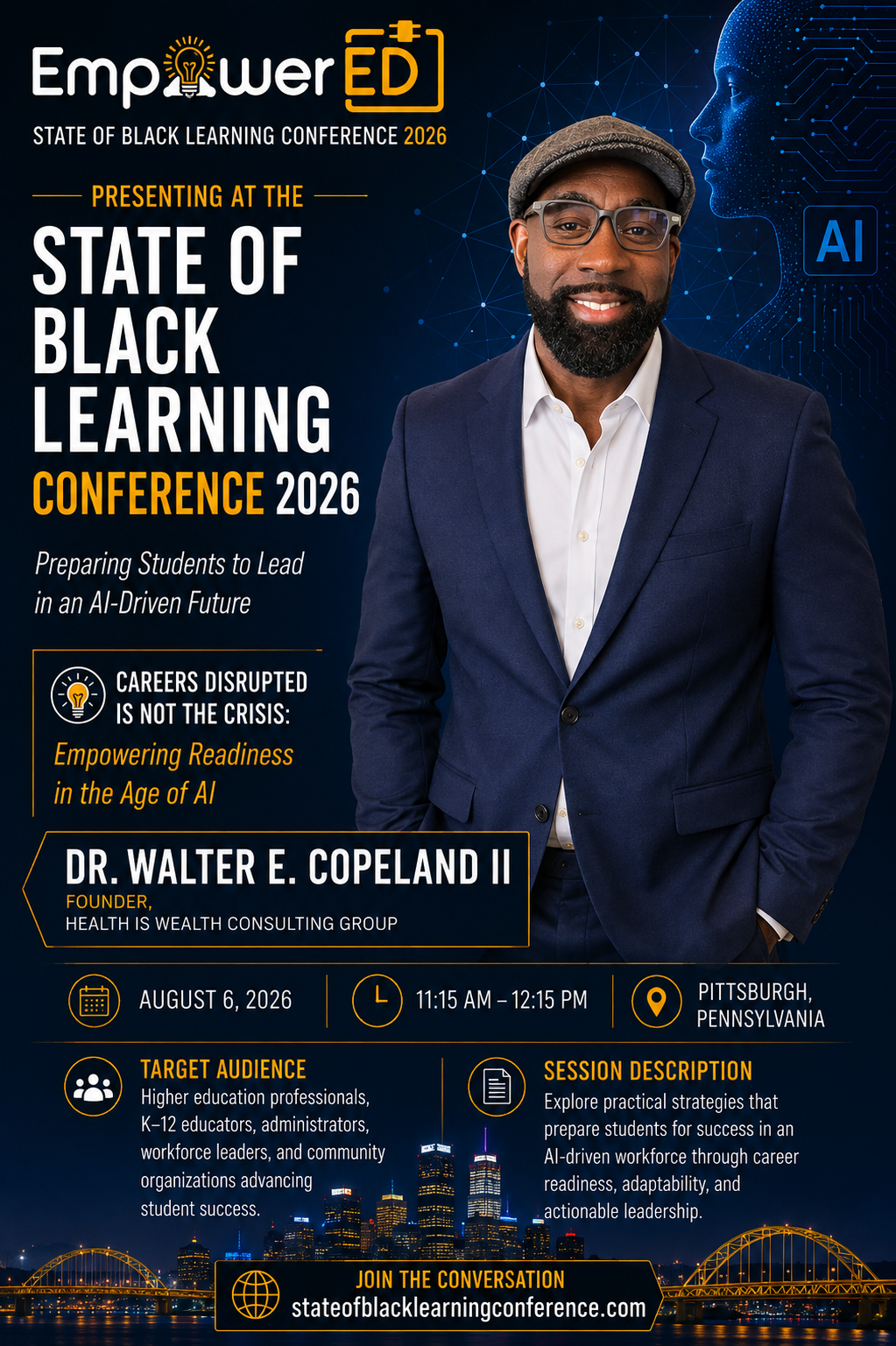
State of Black Learning Conference 2026
Presenting at the State of Black Learning Conference 2026
I am honored to announce that I have been selected to present at the State of Black Learning Conference 2026, one of the nation's leading conferences dedicated to advancing educational excellence, innovation, and student success.
Featured Session
Careers Disrupted Is Not the Crisis: Empowering Readiness in the Age of AI
📅 Date: August 6, 2026
🕚 Time: 11:15 AM – 12:15 PM
📍 Location: Pittsburgh, Pennsylvania
Artificial intelligence is transforming education and the workforce at an unprecedented pace. While much of the conversation centers on technological disruption, my presentation explores a different perspective: the real challenge is ensuring students are prepared to succeed in an AI-driven world.
During this interactive session, I will introduce practical, evidence-based strategies that help educators, administrators, workforce leaders, and community organizations strengthen career readiness, develop adaptable learners, and prepare students to lead in the future of work.
Participants will gain actionable insights into:
Understanding the difference between workforce disruption and the readiness gap.
Building career readiness through adaptability, critical thinking, and lifelong learning.
Implementing practical strategies that prepare students for success in an AI-driven economy.
As an educator, public health scholar, and founder of Health Is Wealth Consulting Group, I am committed to helping individuals and organizations prepare for the future through education, innovation, leadership, and evidence-based solutions.
I look forward to joining educators and leaders from across the country to engage in meaningful conversations about the future of education and workforce development.
Conference Information:
State of Black Learning Conference 2026
Nutrition Association of Nutrition Professionals, (NANP) Speaker, HEALCon,Conference 2026, Bellevue, WA
Dr. Walter E. Copeland II is a featured speaker for HEALCon 2026, the annual conference hosted by the National Association of Nutrition Professionals.
The session focused on transforming clinical nutrition through a social determinants-of-health lens. This presentation challenged traditional approaches to care and introduced practical, scalable frameworks that empower clinicians to deliver more equitable, patient-centered outcomes.
His session, “Beyond Compliance: Integrating Social Determinants of Health into Clinical Nutrition Practice for Diabetes Prevention and Care,” introduced the REAL Care Model, a practical framework for identifying real-world barriers such as food access, time constraints, health literacy, and environmental stressors. The session equipped practitioners with strategies to improve engagement, adherence, and long-term outcomes in diabetes prevention and care.
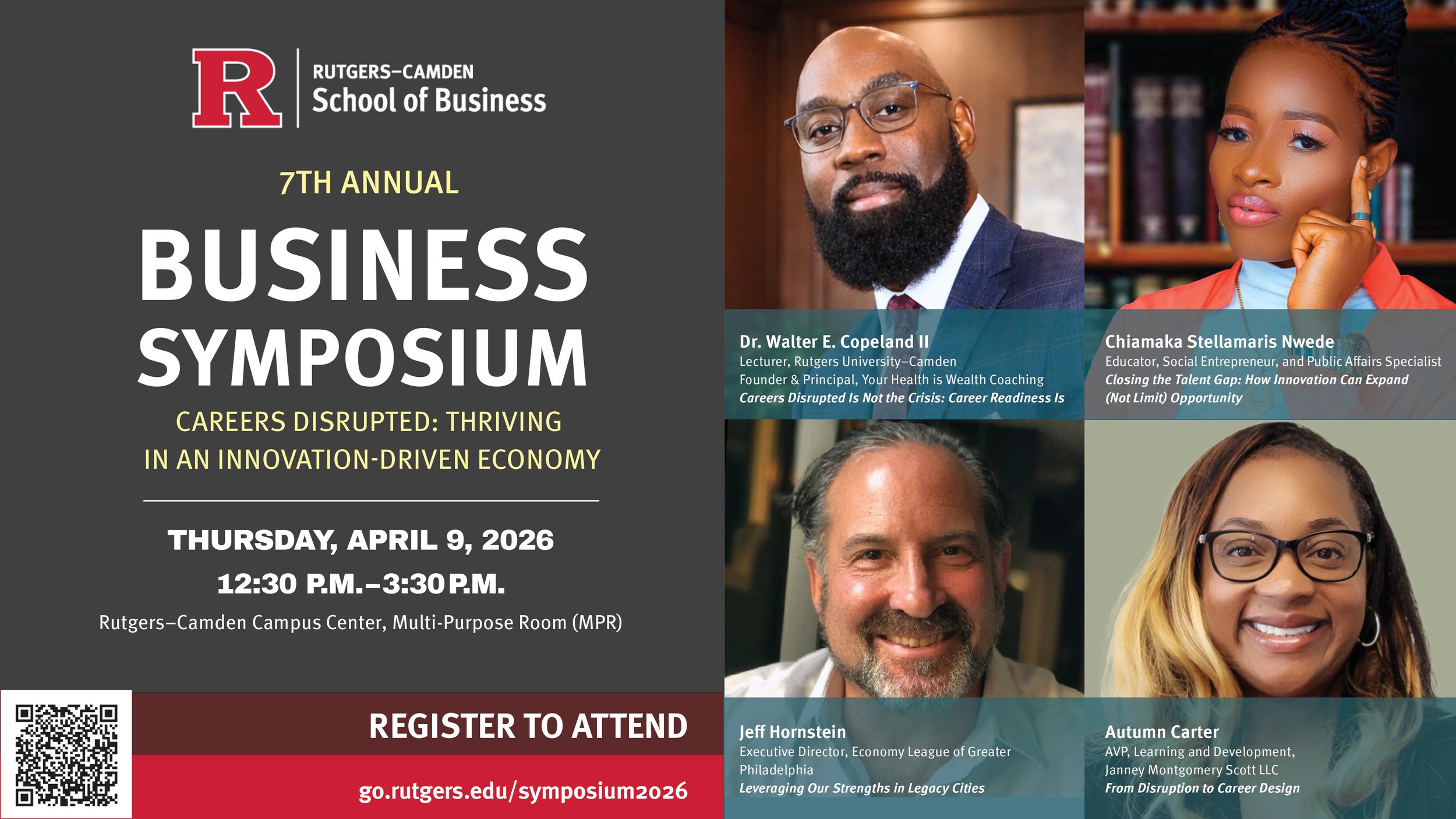
Dr. Walter E. Copeland II will serve as a panelist at the Rutgers University–Camden School of Business 7th Annual Business Symposium, where he will share insights on leadership, innovation, and career readiness in an evolving economy.
Rutgers University–Camden School of Business
7th Annual Business Symposium | Featured Speaker
Dr. Walter E. Copeland II will serve as a featured speaker at the Rutgers University–Camden School of Business 7th Annual Business Symposium, Careers Disrupted: Thriving in an Innovation Driven Economy.
Dr. Copeland will present, “Careers Disrupted Is Not the Crisis: Career Readiness Is,” focusing on how students and professionals can thrive in a rapidly changing economy through adaptable skills, strategic thinking, and lifelong learning.
Thursday, April 9, 2026
12:30 PM to 3:30 PM
Rutgers–Camden Campus Center, Multi Purpose Room (MPR)
The symposium will also feature speakers from business, education, and workforce development discussing innovation, talent development, and career strategy in today’s evolving workforce.
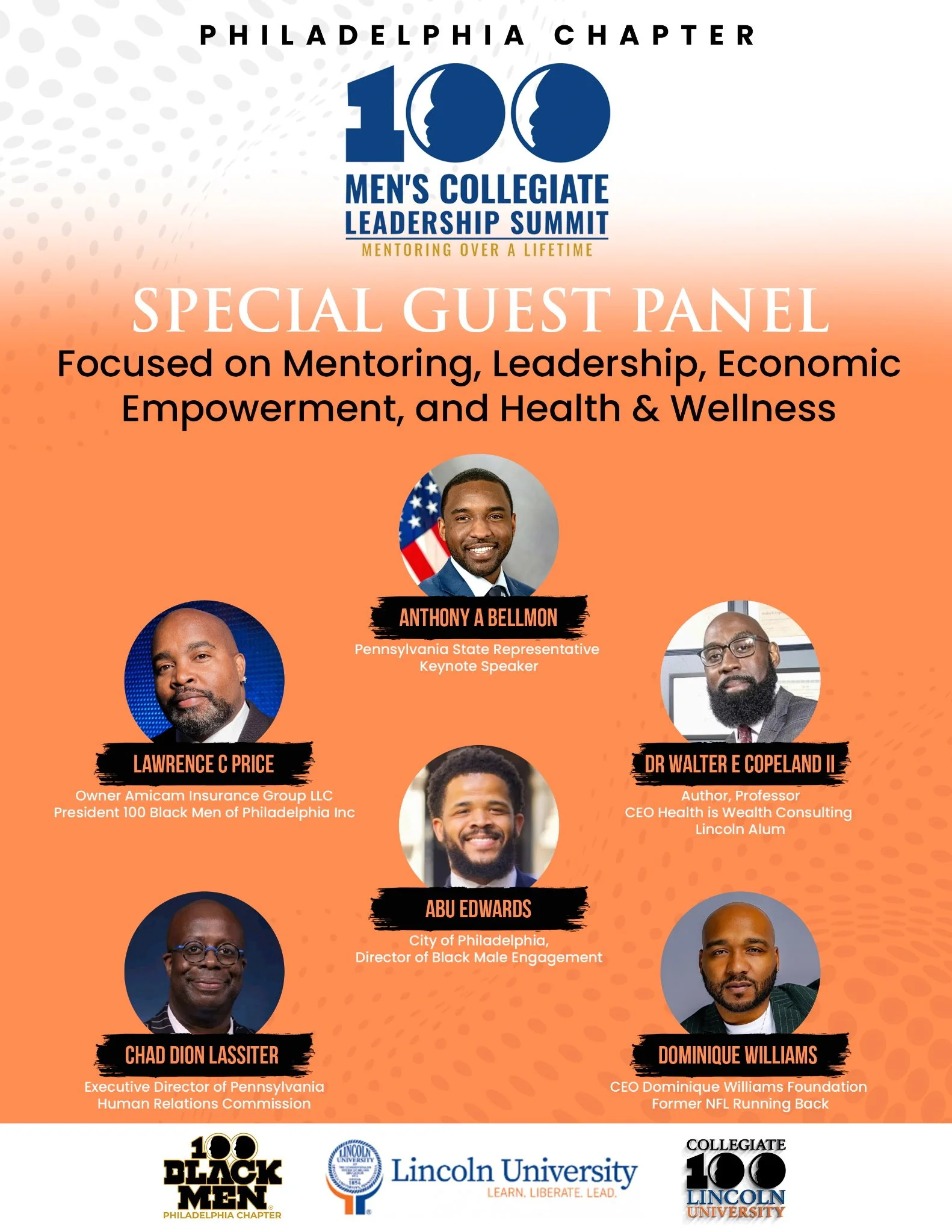
Men’s Collegiate Leadership Summit | Lincoln University
Dr. Walter E. Copeland II served as a panelist at the Men’s Collegiate Leadership Summit at Lincoln University, engaging students in a powerful discussion on leadership, accountability, and personal development. His contribution focused on helping young men understand the importance of self-awareness, discipline, and decision-making in shaping both their academic and professional futures.
Through real-world insight and practical guidance, Dr. Copeland emphasized the connection between leadership, economic empowerment, and health, encouraging students to take ownership of their growth and position themselves for long-term success.

Guest Lecturer, Rutgers Univ
During this session, Dr. Walter E Copeland II speaks with emerging scholars about the art of translating complex research into language that informs, resonates, and moves communities to action. While academic credentials signal expertise, true impact is measured by one’s ability to communicate clearly across diverse audiences — from dissertation committees and journals to policymakers, media, and the public. This talk emphasizes message clarity, accessibility, and purpose beyond titles, preparing doctoral candidates to share their work in ways that influence both scholarship and society.
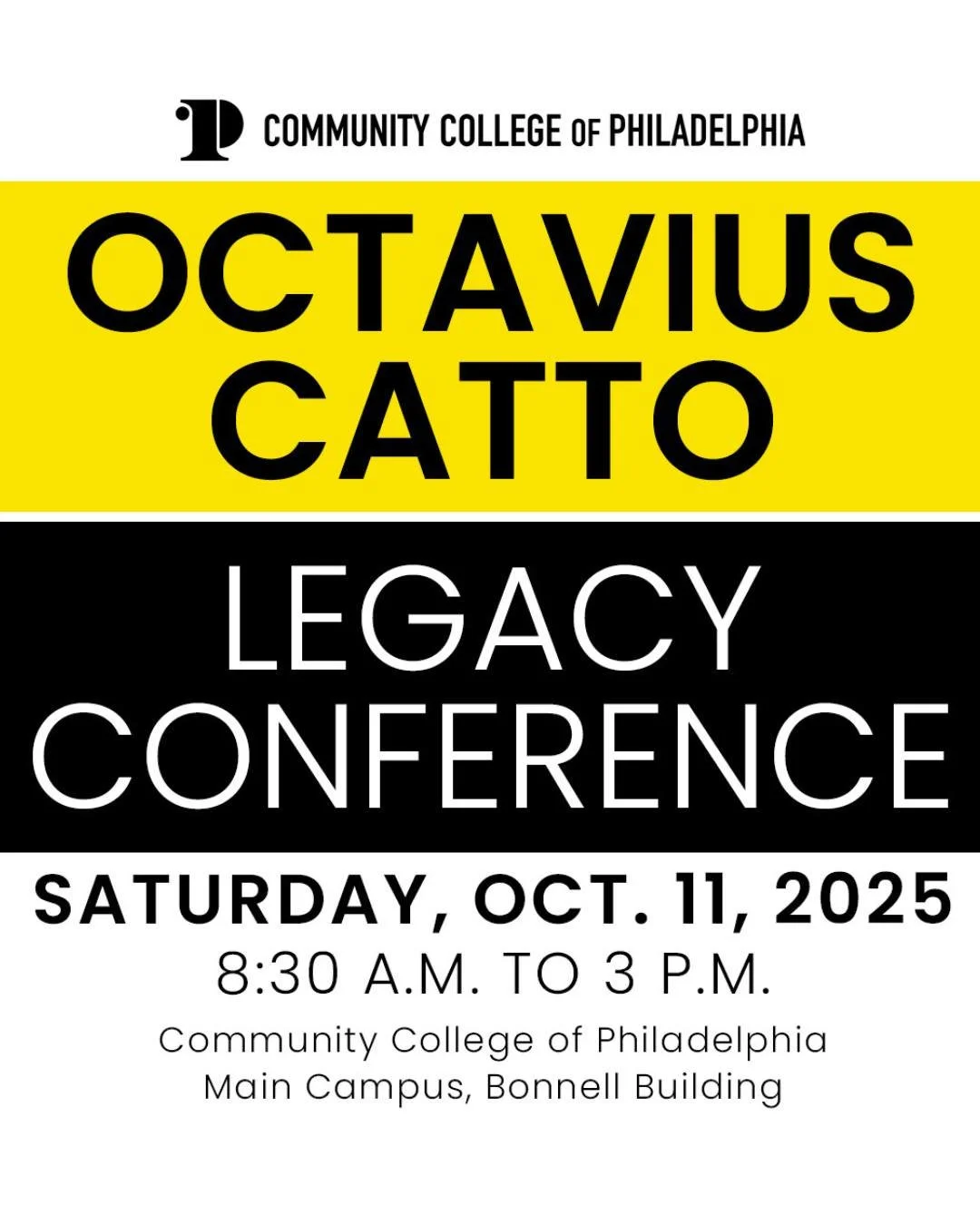
Octavius V. Catto
At the Octavius V. Catto Conference, I spoke on the idea of being “Built for This,” a reminder that Black communities, Black leaders, and Black men in particular are not defined by deficit but by endurance, brilliance, and inherited strength. I connected this theme to health equity and leadership, showing how systemic barriers, mistrust in healthcare, and limited access do not erase our capacity to lead, heal, innovate, and advocate for our own well-being. “Built for This” was presented not as a motivational slogan but as a lived truth. It reflects the history of surviving inequality, navigating bias in medical systems, and still pushing forward to redesign care, elevate wellness literacy, and open doors that tradition once closed. The message centered on reclaiming autonomy over health, redefining our narrative, and stepping into leadership with the understanding that we are not waiting to be validated. We are already equipped.